Latest News & Updates
Back to News
Parliament Adopts Motion to Expand SAGE and Enhance Geriatric Healthcare
August 20, 2026
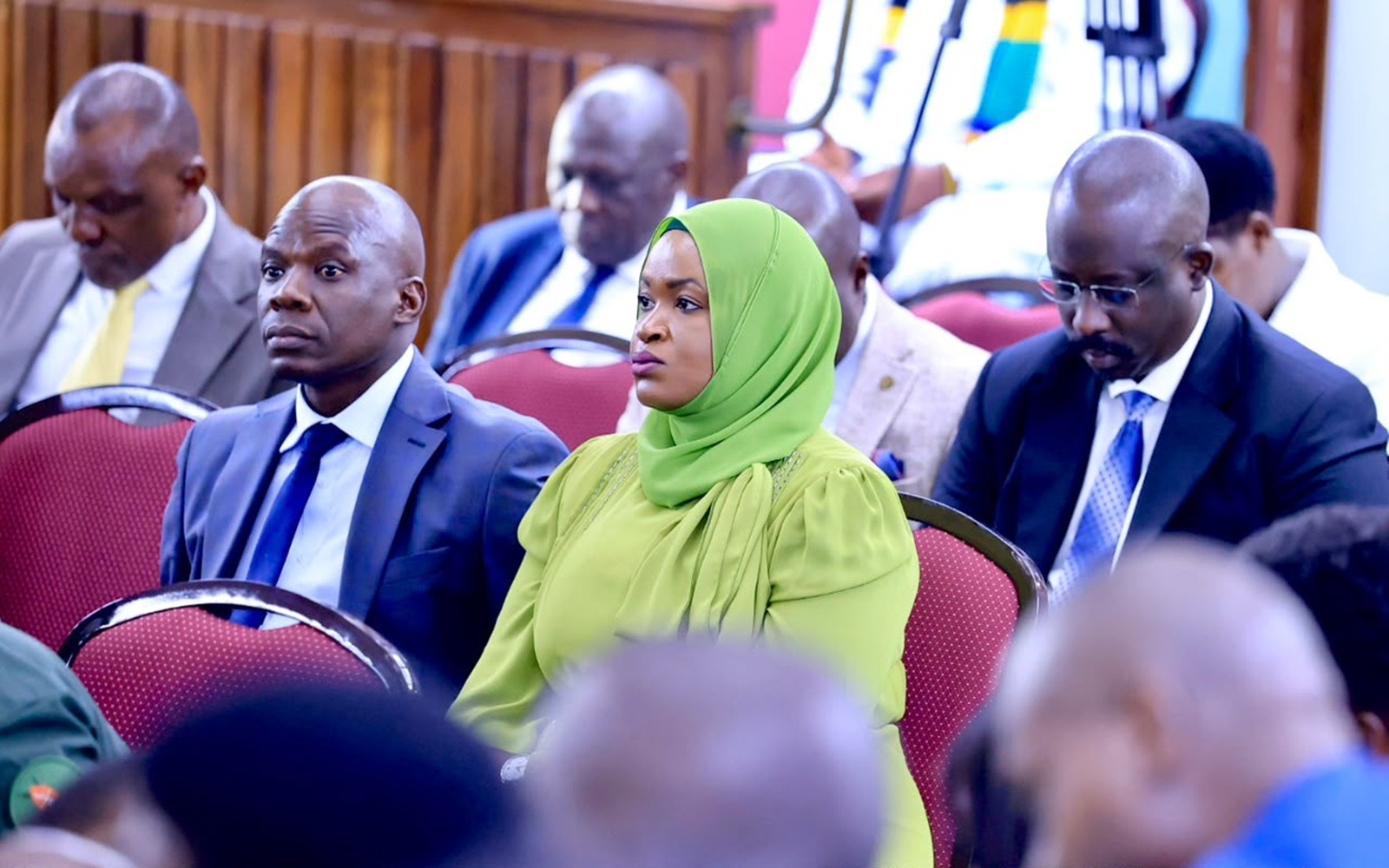
The true measure of a society's prosperity lies in how it treats its most vulnerable, particularly its older persons. On Tuesday, 18th August, the parliamentary chambers witnessed a pivotal moment for social protection in Uganda, sparked by a timely motion moved by Honorable Asha Mafabi Nabulo to decisively improve geriatric healthcare and enhance social safety nets for the elderly. The ensuing debate brought to the forefront the critical realities facing our senior citizens and the urgent need to reform the Social Assistance Grants for Empowerment (SAGE) program.
The Case for SAGE Expansion
While the SAGE program has been a vital lifeline, its current parameters no longer align with the economic realities on the ground. Setting the eligibility age at 80 years excludes a vast demographic of vulnerable older persons who are no longer active in the labor force. Furthermore, the monthly grant of 25,000 UGX is demonstrably insufficient against the backdrop of a rising cost of living.
Older persons are rarely isolated beneficiaries; they frequently bear heavy care burdens, looking after orphaned grandchildren and providing foundational stability for their families. While Cabinet had previously announced intentions to lower the eligibility age to 65 and increase the monthly grant to 35,000 UGX, it is imperative that these critical adjustments are urgently reflected and prioritized in the national budget.
Integrating Specialized Geriatric Healthcare
Income security must be paired with health security. As our older population grows, so does the prevalence of chronic health conditions such as diabetes, arthritis, and dementia.
During the deliberations, the Minister of Health provided an encouraging update: the forthcoming National Development Plan 4 (NDP4) officially incorporates provisions for comprehensive geriatric services. Crucially, this includes the specialized training of geriatric doctors and nurses, ensuring that our healthcare system is equipped to address the specific, complex needs of an aging population.
Sustainable Financing and Accountability
Implementing comprehensive social protection requires fiscal prudence. As highlighted by Honorable Patrick Katabaazi Kiconco, UPFSP’s founding coordinator and current MP for Rukiga district, during the debate, adopting a phased approach to financing these reforms presents a viable path forward. Phased implementation ensures that expanding the SAGE age bracket and increasing the grant amount remains manageable within the constraints of the government budget, without stalling progress. Investment in older persons social security as emphasised by Hon Fred Baseke during the debate, is not a burden on gov’t, it is an investment in dignity, welfare and social stability. With the motion officially adopted, a clear timeline for accountability has been established. The government is mandated to report back to Parliament within 60 days on the progress of executing these resolutions.
At the Uganda Parliamentary Forum on Social Protection (UPFSP), we welcome this parliamentary action as a strong step in the right direction. However, an adopted motion is only the beginning. We pledge to maintain our rigorous advocacy, tracking the 60-day implementation progress and ensuring that these policies transition from the floor of Parliament to the pockets and local health centers of our older persons. We must continue to build a society where all vulnerable persons are secure, resilient, and empowered.
UPFSP Comms Team